There are several symptoms of the menopause. These include hot flushes, night sweats, and mood swings. These are side-effects from a decrease in oestrogen levels, which happens naturally with age. But did you know that these hormonal changes can also cause body aches and pains? In this article, we discuss how menopause can affect your muscles and joints, and suggest ways to manage musculoskeletal symptoms.
What causes menopause symptoms?
When you get close to the menopause, your body produces less of the sex hormone oestrogen. For many, this usually happens after the age of 45 and is called the perimenopause (‘around menopause’).
This change in oestrogen levels leads to menopause symptoms, which include:
- irregular periods – you’ve reached the menopause if you haven’t had a period for at least a year
- hot flushes
- disturbed sleep
- changes in mood, such as anxiety, irritability, and difficulty concentrating
- low libido
- musculoskeletal symptoms, such as joint and muscle pain
Can the menopause cause body aches and pains?
Musculoskeletal pain is common during the menopause – up to six in ten women experience it. There are a few possible reasons why this happens.
Oestrogen helps to reduce inflammation and friction in our joints. It can also reduce stiffness in tendons and ligaments, which are the tissues that make up our joints. Studies have shown that there’s often a decrease in muscle mass during menopause and this loss of muscle is linked to hormonal changes. Low oestrogen levels can also weaken muscle and bone.
So, a change in oestrogen levels during menopause may affect your joints and muscles. And it’s thought that changes in sex hormones, particularly oestrogen, can affect how we feel pain.
It’s also possible that joint pain during menopause is caused by another condition, such as osteoarthritis. Osteoarthritis can cause painful, stiff joints. It most commonly affects people aged 45 and older. Several studies have shown that there could be links between menopause, joint pain, and osteoarthritis.
Because oestrogen levels decrease slowly, these symptoms may last for several years. And because of the way oestrogen affects your muscle and joint health, you might still feel pain and stiffness after the menopause ends. But there are ways to limit how much this affects your life.
How can I manage joint pain caused by the menopause?
If you’re experiencing joint or muscle pain during menopause, here are a few things you could try.
Low-impact exercise
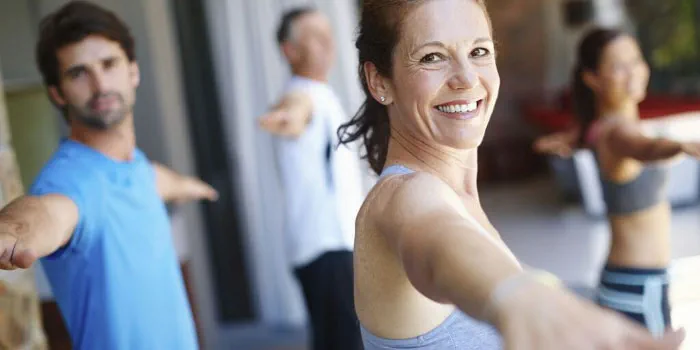
It’s important to keep active for your physical and mental health, but also to keep your joints flexible and strong. Keeping your joints and muscles moving can also help relieve pain. Low-impact exercise such as swimming, walking, cycling, or yoga is a good option if you want to limit the pressure you put on your joints. Pilates can also improve your flexibility and strength.
Strength training (also known as resistance training)
It’s natural that we lose our strength as we age. But keeping your muscles and bones strong helps to support your joints. Adults are recommended to do muscle-strengthening exercise at least twice a week. So, try and find an activity that works for you. It doesn’t mean you have to lift weights or go to the gym. Carrying your shopping, climbing stairs, gardening, and dancing all count.
Stretching
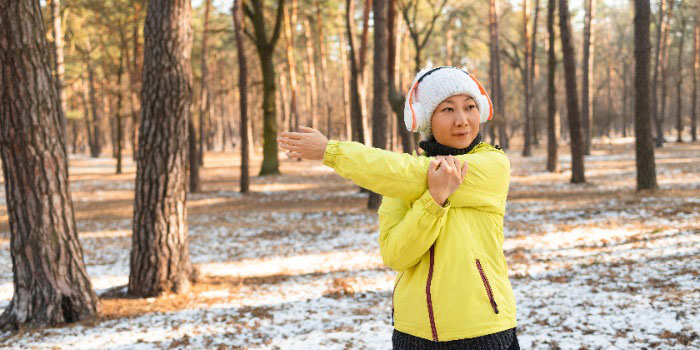
If your joints are sore, you might not feel like moving them too much. But gentle, controlled stretching can help prevent them becoming more stiff and painful. You might find that yoga or tai chi help.
Physiotherapy
Physiotherapists are movement experts who can advise you on the best exercise programmes for this period of your life. They can help with a variety of conditions, including muscle and joint pain. As well as treating aches and pains, they can advise you on exercises you could do to improve your strength. Your GP can refer you to a physiotherapist, or you may be able to refer yourself.
Over-the-counter painkillers
Over-the-counter painkillers are medicines used for the short-term relief of mild pain. They can be bought without a prescription from a doctor. Ibuprofen, a non-steroidal anti-inflammatory drug (NSAID), can ease aching joints. Make sure to check the patient information leaflet carefully and speak to your pharmacist for advice if you need it.
Diet
What you eat can affect your health and wellbeing. To keep your joints and bones healthy, make sure you’re getting enough calcium, vitamin D, and omega 3 fatty acids in your diet. Some of these interventions may also help with other menopause symptoms, such as hot flushes and low mood.
Does HRT help muscle and joint pain?
Hormone replacement therapy (HRT) is used to ease menopause symptoms. It works by topping up the low oestrogen levels that cause these symptoms.
Some studies have shown that oestrogen therapy could ease joint pain. So it’s possible that HRT may help if you’re experiencing aches and pains due to menopause.
There are several factors to consider when taking HRT, and your doctor will discuss these with you. In general, for women younger than 60, the benefits of HRT outweigh the risks. Your GP can help you choose whether HRT is right for you.